

Neurodiversity and evolutionary trajectories
Evolutionary analysis of human cognitive and behavioural variability
Neurodiversity and Evolutionary Trajectories
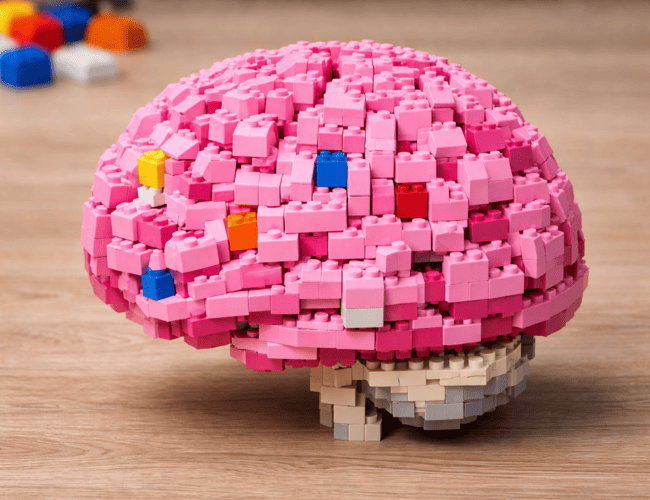
The Neurodiversity and Evolutionary Trajectories project forms part of the HUMAN – Human Understanding, Mind and Anthropogenesis Initiative of the Centro Rausenbach de Análisis e Investigación (CRAI). Its objective is to analyse human cognitive and behavioural diversity from an evolutionary, integrative, and non-pathologising perspective, with particular attention to profiles associated with ADHD, ASD, and other expressions of neurodiversity.
The project is based on the premise that neurocognitive variability does not constitute a deviation from human development, but rather an expected consequence of differentiated evolutionary trajectories shaped by environmental pressures, cultural contexts, and processes of neural plasticity. Within this framework, the biological, cognitive, and cultural foundations that explain the historical persistence and functionality of these profiles are investigated.
Hypothesis
Human neurodiversity reflects the coexistence of multiple cognitive configurations that emerged as functional adaptations within diverse evolutionary contexts. The contemporary expression of profiles such as ADHD or ASD may be understood, at least in part, as the result of a mismatch between evolutionarily conserved neurocognitive configurations and the demands of the modern environment, rather than as an intrinsic dysfunction of the individual.
Scientific and social relevance
From a scientific perspective, the project contributes to the development of integrative theoretical frameworks on the human mind and its diversity. At a societal level, it provides a conceptual foundation for improving public understanding of neurodiversity and for informing the design of educational, social, and health strategies aimed at enhancing the quality of life of neurodivergent individuals and communities, without presupposing specific clinical interventions. In addition to its scientific contribution, the project includes dissemination and knowledge-transfer activities through the development of guides and resources for teachers, families, and other non-specialist audiences, with the aim of fostering a more informed and nuanced social understanding of neurodiversity.
Expected results
The Neurodiversity and Evolutionary Trajectories project will generate an integrative body of knowledge enabling the reinterpretation of human cognitive and behavioural variability within an evolutionary, biocultural, and non-pathologising framework. Through the development of conceptual and comparative models, the project is expected to clarify the relationship between specific cognitive configurations, evolutionary contexts, and contemporary environmental demands. These outcomes will provide a robust theoretical foundation for enhancing both scientific and social understanding of neurodiversity, as well as for informing future applications in education, social policy, and health, without presupposing specific clinical interventions. The project will generate:
Team and collaborations
The project is developed within the framework of the CRAI’s HUMAN Initiative and is open to national and international collaborations in neuroscience, anthropology, psychology, cognitive science, and related disciplines.
Collaboration
The CRAI invites researchers, academic institutions, and organisations interested in neurodiversity from an evolutionary perspective to establish contact in order to explore scientific collaborations, joint projects, and shared conceptual developments.